Hi, there! I finally managed to update my blog this time, and the number of foreign visitors has been steadily increasing since 2024, reaching over 3 million visitors in March alone, which was the highest ever recorded in a single month. The primary reasons for this surge are the cherry blossom season and the consistently weak yen, making Japan one of the most captivating and affordable destinations for international travelers. I encounter numerous foreign tourists on trains and in the city almost every day.
(By the way, from our standpoint, a weak yen is not favorable at all. I never imagined the US dollar surpassing 150 yen in my lifetime! The prices of goods are rising day by day, making traveling abroad a bit more challenging. Nevertheless, I believe balance is key in all things these days.)
Today, I’d like to introduce several hotels in Tokyo that are my favorites for experiencing the Japanese atmosphere with beautiful gardens. If you’re tired of bustling tourist spots in Tokyo, spending some peaceful time at these hotels is a great option.
1: Hotel Chinzanso Tokyo, in Bunkyo-ward
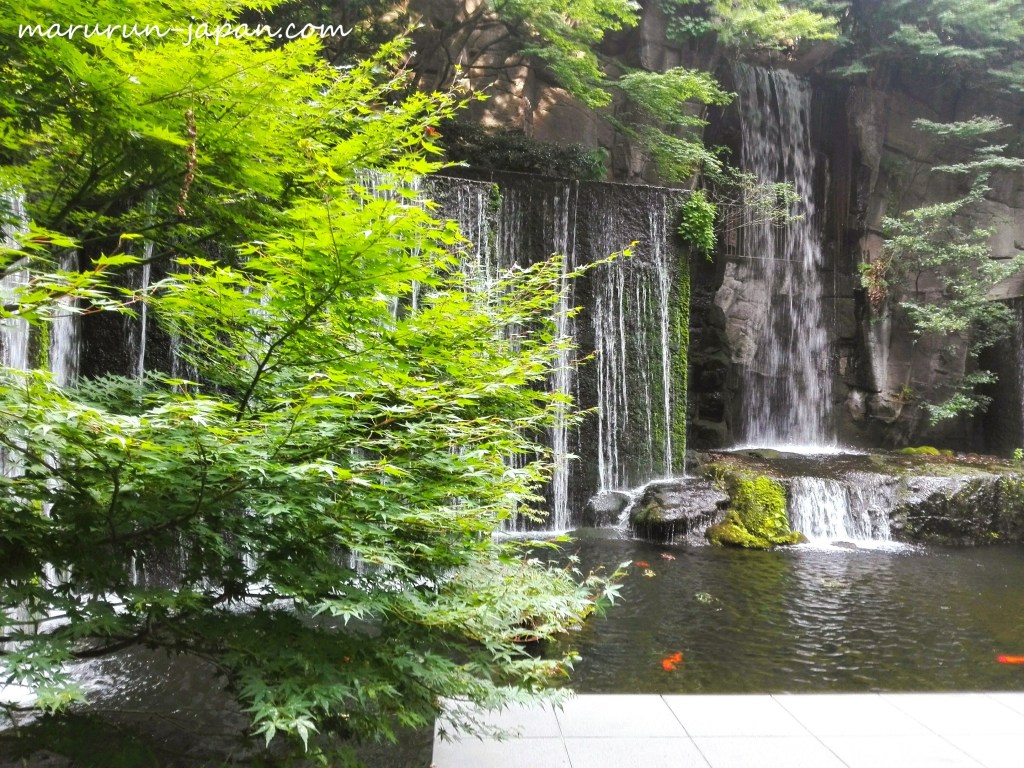
Hotel Chinzanso Tokyo is located in a tranquil residential area, away from the bustling city center. The hotel boasts a large Japanese garden that I always enjoy immersing myself in whenever I visit. The garden’s walking paths are well-maintained, offering a serene environment that helps me unwind and relax from the busyness of life. With features like a red bridge, pond, waterfalls, and a three-tiered wooden pagoda designated as a nationally recognized cultural property, guests can experience traditional Japanese ambiance without the crowds.
The hotel hosts various seasonal events in the garden, providing guests with different experiences based on their visit. For instance, during the early summer months of May and June, visitors may witness fireflies around the pond in the evening. Additionally, the hotel stages a captivating sea of clouds event twice hourly throughout the year (although I’ve never seen it personally, hotel guests can enjoy this spectacular display in the early morning and late at night). While it’s an artificial performance, the addition of this spectacle enhances the overall experience.

Access to the garden area is exclusive to hotel guests or those using the restaurants/cafés. I haven’t dined at the Japanese restaurants within the garden yet, but they seem enticing, offering exquisite Japanese cuisine amidst nature. Personally, I love spending hours at the cafés enjoying coffee, sweets, or afternoon tea sets with a view of the garden. (Note: Restaurant/cafè reservations may be required, so please check the hotel’s information before your visit.)


<Reference Information>
Hotel Chinzanso Tokyo
Graden’s information
Garden Map
The Tokyo Sea of Clouds
Restaurants
Access
2: Hotel Gajoen Tokyo, in Meguro-ward
<Information Update>
Hotel Gajyoenjyoen Tokyo will be temporarily closed on October 1, 2025, for an unspecified period, as the fixed-term building lease contract with the building owner is set to expire. The closure period is scheduled to last until March 2026, but the specific date has not yet been determined.
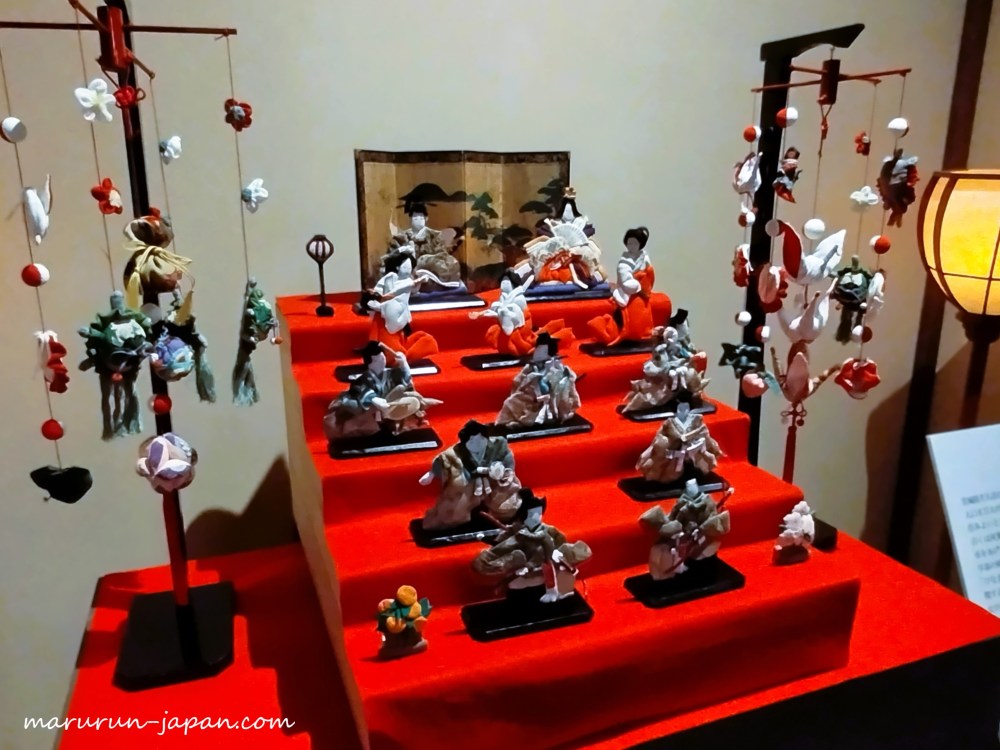
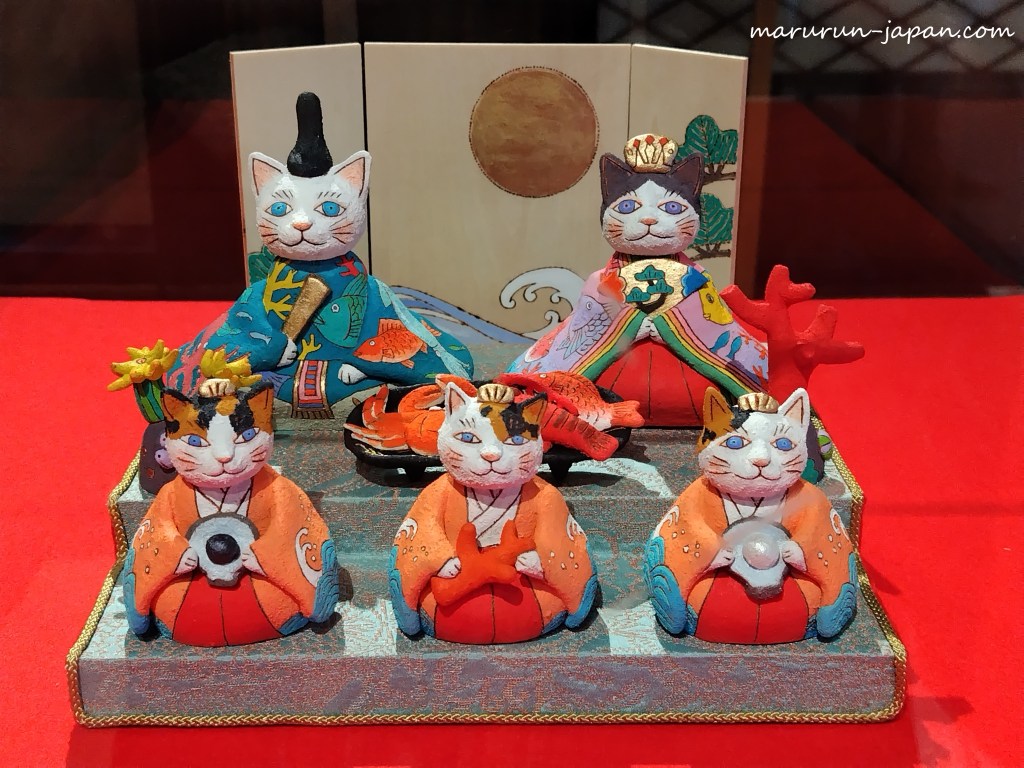
This hotel is a short walk from JR/Tokyo Metro Meguro Station, with its main attraction being the adjacent art space known as “Hyakudan Kaidan -The Hundred Stairs-” designated as a cultural property of Tokyo in 2009. “Hyakudan Kaidan” refers to Meguro Gajoen Building #3, the predecessor of the current Hotel Gajoen Tokyo built in 1935. It’s the only wooden building remaining at the hotel, featuring a long hallway with 99 steps connecting seven rooms where people used to enjoy meals and lively gatherings. Each room is connected by a staircase with a unique design, adorned with beautiful artwork by renowned painters of that era. The art space hosts various special exhibitions throughout the seasons, such as the Hina-Doll exhibition from all over Japan when I visited in March. Apart from the exhibitions, the architectural beauty of the rooms is remarkable, making a visit worthwhile even without a special exhibition.


The hotel’s restaurants and lounges offer a fantastic ambiance for relaxation. I particularly enjoy spending time at the lounge café called “Pandora,” known for its open layout and comfortable seating. Sometimes, they also feature piano performances. Since the hotel is a popular wedding venue, you might spot Japanese couples in wedding attire taking photos by the pond in front of the café on weekends.

One highlight not to miss is the restroom just behind the lounge café. It might sound unusual to recommend a restroom but trust me, it’s incredibly lavish and hard to believe it’s just a toilet. Even if there’s a queue, it’s worth seeing for yourself! Once you visit, you’ll understand why I recommend it.
*Hina-Doll: Hina dolls are displayed as a symbol of parents’ prayers to protect their children (especially daughters) from harm and illness, and to help them build happy families in the future. We continue the tradition of celebrating our daughters’ health and happiness on March 3rd with family and friends. Previously, a seven-tier decoration was common, but nowadays, the decoration style has been adapted to fit smaller living spaces such as apartments, with two or three-tier decorations becoming more popular. Additionally, the appearance of the dolls and the style of decoration vary from region to region in Japan. (For the celebration custom for boys, please refer to Family Reunion on Children’s Day.)

<Reference Information>
Hotel Gajoen Tokyo
Hyakudan Kaidan -The Hundred Stairs-
Restaurants & Shop
Access
3: Happo-En, in Minato-ward
Located near Shirokane-Takanawa Station of Tokyo Metro, Happo-En is renowned for its historical buildings from the Edo era and a stunning traditional Japanese garden. The beautifully maintained stroll-style garden is Tokyo’s prime spot for experiencing the seasons, featuring centuries-old bonsai trees, colorful koi ponds, cherry blossom trees, and autumn foliage. Visitors can enjoy traditional Japanese green tea and sweets at the tea house called “Muan” during Thursdays to Sundays without reservations (advanced booking is required for the green tea ceremony, held twice a week).

(The picture was borrowed from the hotel website)

(The picture was borrowed from the hotel website)

(The picture was borrowed from the hotel website)
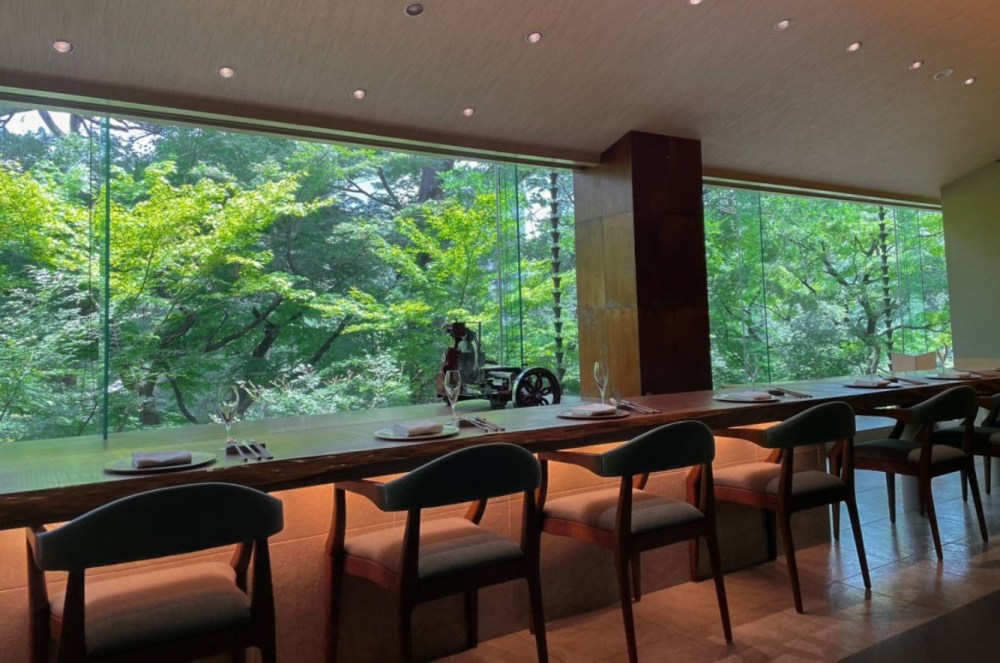
The hotel also houses three exquisite restaurants, one of which, Enju, I visited with my husband years ago. Although it’s been a while, I still remember the restaurant’s exceptional cuisine and the staff’s hospitality. The restaurant offers counter seating with a large glass window overlooking the gorgeous garden, creating a memorable dining experience. I hope to revisit during cherry blossom season, but securing a reservation for the counter seats is always challenging, so I haven’t had the opportunity yet.
(The picture was borrowed from the restaurant website)
FYI, the hotel will be closed for 6 months between March and August 2025 due to full renovation for changing the venue as an “Exchange Culture Creation Space”.
<Reference Information>
About Happo-en
Japanese cultural experience
Restaurants (English explanations are provided on each restaurant’s page)
Access
I hope my information will be helpful when you don’t feel like being too active, when it is a bit hard to move around due to bad weather, or when your stay in Tokyo is very short but you want to feel the Japanese atmosphere.

 Welcome to Marurun's Tweeting Room!